Is the Xochimilco Boat Tour Worth It?
An honest verdict on Xochimilco: what the 750 MXN hourly tariff buys, what a booked cruise adds on top, and which travelers should skip the canals.
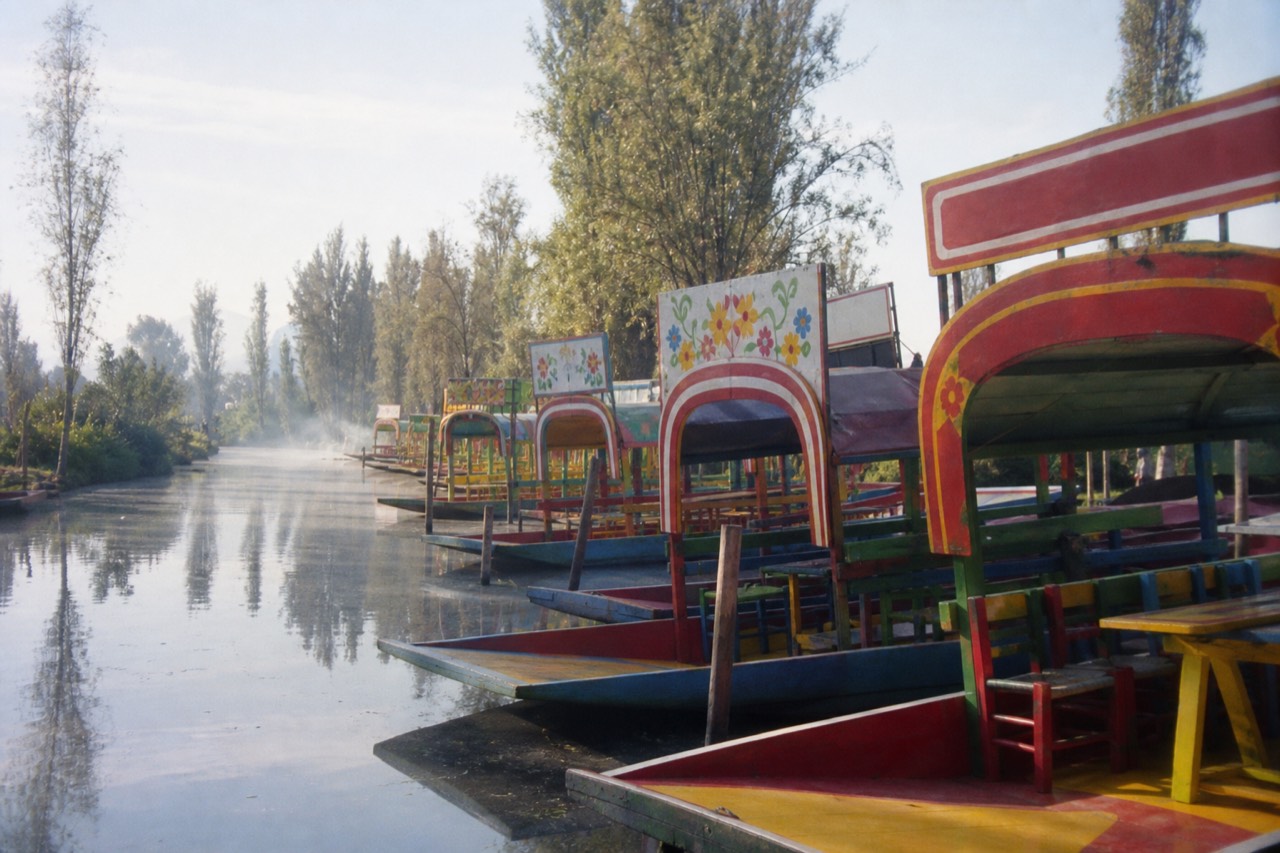
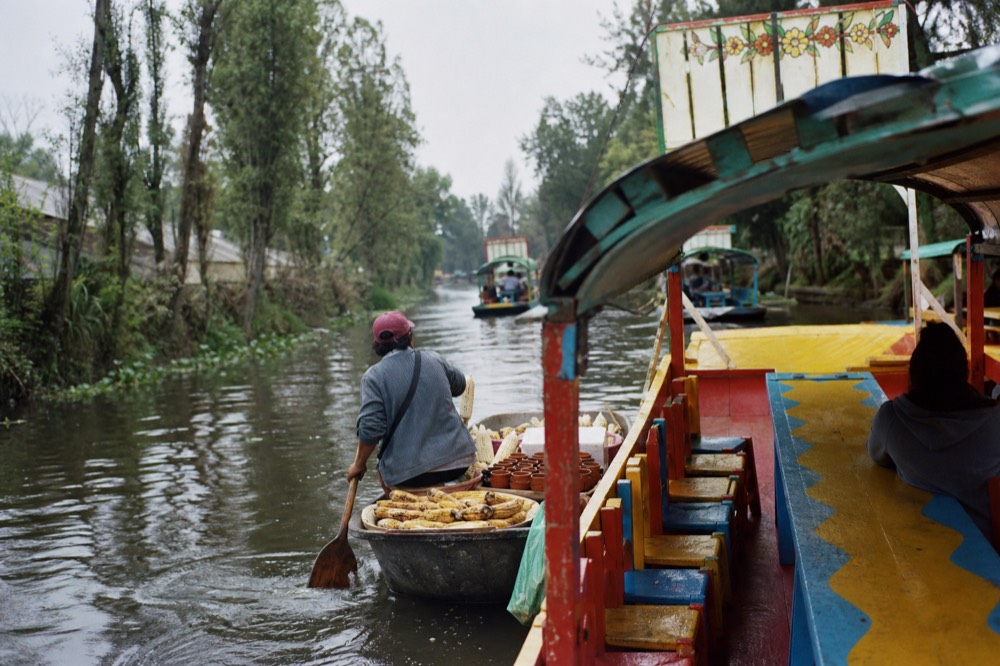
Grilled corn, canal water, and a mariachi trumpet coming from three boats over: that is Nativitas on a Saturday, and for most people the answer is yes, it is worth the afternoon. The ride is cheap by any measure, 750 pesos an hour for the entire boat rather than per seat, and the thing you are floating through is a working farm-canal system that was feeding this valley long before Cortés arrived. The visitors who come away disappointed are almost always the ones who showed up alone, at three in the afternoon, on the busiest weekend of the month, with no food and no plan.
I have been going out on these canals since I was a kid, first for family birthdays and later for lunadas that ran past midnight, and I have watched both versions happen from the same dock on the same day.
Is it worth going to Xochimilco?
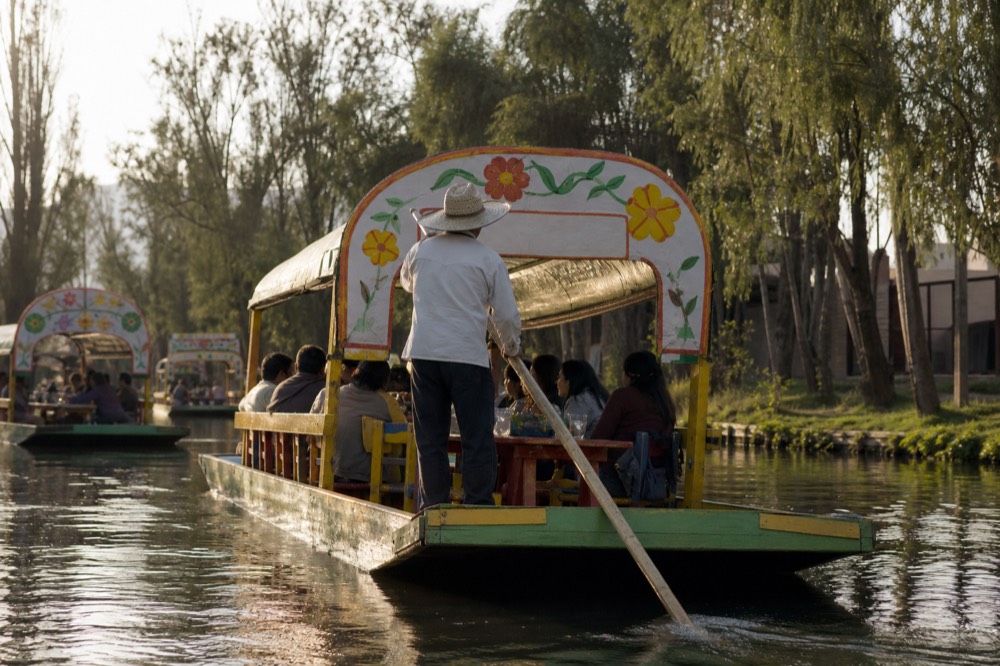
Yes for most visitors, and emphatically yes if you arrive with people. You are riding the last living stretch of the Valley of Mexico's lake system, inscribed by UNESCO in 1987, on a hand-poled boat priced by the hour for the whole vessel. Alone on a packed Saturday afternoon, it lands flat.
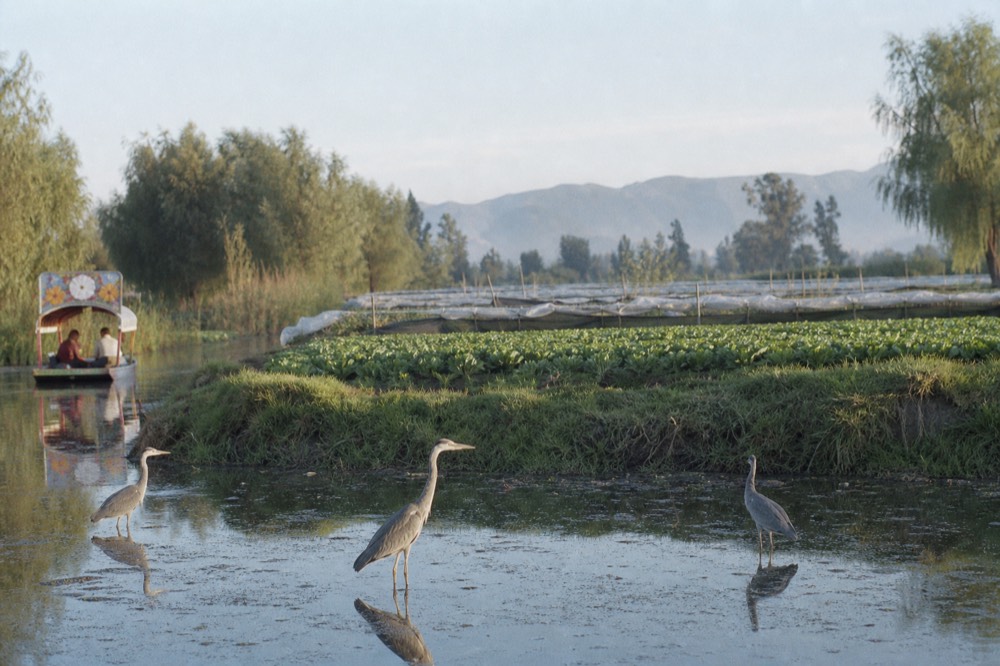
What you actually see, once you are past the first crowded bend, is farmland. The chinampa plots that still grow food here are edged with willows and planted with lettuce, flowers and nursery stock, and there are stretches where the only sounds are the pole going in and out of the water and a heron complaining. The UNESCO listing covers this alongside Mexico City's historic centre, which tells you what it is: not a theme park, a surviving agricultural landscape that happens to run boat rides through itself.
What does an afternoon on the canals actually cost?
Two numbers govern the whole decision. The Alcaldía's posted tariff is 750 MXN per hour per trajinera, not per person, and anyone quoting you a per-head rate is breaking it. Booked cruises start from about $42 a seat and cost more because they add a guide, drinks, food, transport and a boat that is already full.
| Way to ride | What it costs | What comes with it | Best for |
|---|---|---|---|
| Self-rental at the official tariff | 750 MXN per hour, per boat | Boat, poler, whatever you carry on | Groups of eight or more |
| Traditional shared sightseeing boat | from $42 per person, about 2h | Guide, seat on a filled boat | Couples and solo travelers |
| Shared cruise with guacamole and drinks | from $64 per person, 2.5h | Food, unlimited drinks, full boat | Groups who want the party pre-built |
| 18+ open-bar cruise | from $49 per person, 2h | Open bar, tacos, adults only | Under-30 groups |
| Private trajinera with transport | from $108 per person, 4-5h | Whole boat, hotel pickup | Families, zero-logistics days |
| Full-day canals plus Coyoacán | from $42 per person, 9h | Two neighborhoods, museum optional | One-day-in-the-city visitors |
Those from-prices move, and the live listing is the authority on the day you book. The arithmetic underneath them is simple enough to do at the dock: a two-hour rental is 1,500 pesos total, so ten friends pay 150 each and a couple pays 750 each. That single line explains most of the disagreement you will read online about whether this place is cheap. The full price breakdown works through the vendor extras too, and the official tariff has been reported unchanged through 2025 and 2026.
Who gets the most out of a day here?
Groups win. Couples do fine on a shared boat and badly on a private rental. Families with kids get an easy, shallow, slow ride with food arriving by canoe. Photographers should come early on a weekday. Solo travelers should book a seat rather than rent, or the boat cost lands entirely on them.
| Who you are | Verdict | Why |
|---|---|---|
| Group of 6 to 18 | Strong yes | The 750 MXN hour splits down to pocket change |
| Couple, first time in the city | Yes, on a shared boat | Someone else carries the boat cost and the story |
| Family with young kids | Yes | Slow, shallow, food comes to you, no walking |
| Solo traveler | Yes if booked, no if renting | A whole boat for one person is a bad trade |
| History and nature travelers | Yes, weekday morning | Quiet canals, working farms, sanctuary stops |
| Anyone who hates crowds and noise | Only midweek before noon | Saturday afternoon is loud by design |
If you want the party without the shopping list, the boats compared on the shared cruise lineup all leave the dock stocked, and you can check live availability on the busiest of them. That one sells non-refundable, so treat the date as final when you book it.
What actually disappoints people?
Four things, repeatedly: the Saturday crowds at Nativitas, the assumption that short tours reach Julián Santana's original doll island, the hope of spotting a wild axolotl from the rail, and the water itself, which is not swimmable. None of them ruin the trip. All of them ruin expectations that were wrong going in.
Take the dolls first. The real Isla de las Muñecas, where Julián Santana hung dolls in the trees until his death in 2001, sits hours deep in the network and needs a charter of roughly 3,000 pesos per boat plus an entry fee. The two and three hour tours out of Cuemanco visit a nearer island in the same tradition: atmospheric, genuinely creepy, not his. Our guide to the doll islands maps which is which.
The axolotls are the other quiet letdown. Wild density here fell from around 6,000 per square kilometre in 1998 to 36 in the last published survey, so nobody sees one from a moving boat. Tours that show you an axolotl do it at a sanctuary tank, which is honest and still worth the stop, as the axolotl guide explains.
Is it worth it if you only have one day in Mexico City?
Only as a combo. On a single day, the canals paired with Coyoacán and Casa Azul make a full, coherent south-of-the-city day: from $42 for the nine-hour version, or from $40 for a small-group Frida pairing rated 4.9 across 1,136 reviews. Standalone, half your day goes to traffic.
Coyoacán sits 11 to 13 kilometres from the embarcaderos, 15 to 36 minutes by car, so the pairing is geographically sensible in a way most Mexico City day plans are not. The catch is Casa Azul: tickets are timed, sold online only, and the museum closes Mondays, which is why the Coyoacán and Frida pairing guide is mostly about ticket sequencing. If you would rather someone else solved that, you can see the current dates on the small-group version.
So who should skip it?
Skip it if you are traveling alone, on a Saturday, with no interest in food, music or farming history. Skip it if two hours of slow water sounds like a chore. Everyone else should go, ideally on a Tuesday or Wednesday morning, with a plan for how the boat gets paid for.
The thing that changed my own view of the canals was going midweek as an adult after years of only going for parties. Same water, completely different place: farmers poling produce, nursery boats stacked with marigolds, whole stretches where you are the only boat in sight. The Saturday version is real Mexico City at its loudest and I would not take that away from anyone. It is just not the only version on offer, and plenty of visitors book the noisy one by accident. Comparing every bookable boat on the canals against your own group size is a five-minute job that saves the whole afternoon.
Is Xochimilco a tourist trap?
No, though the busiest dock on a Saturday can feel like one. The tariff is fixed by the Alcaldía at 750 pesos per hour per boat, the canals are a working agricultural landscape rather than a built attraction, and locals make up a large share of the boats out there. Overcharging happens, which is why you agree the hours and total before boarding.
How much time should I set aside for it?
Half a day, minimum. Most rides run one to three hours on the water, and transport from the central neighborhoods takes 45 to 90 minutes each way by car. Our post on how long the ride lasts breaks the timings down by format.
Is it better than a regular city sightseeing tour?
It is different rather than better. Nothing else in Mexico City puts you on pre-Hispanic infrastructure that is still in daily agricultural use. If your trip is short and museum-focused, a combo day that stitches the canals to Coyoacán gives you both without a second commute.