What's the story behind the Island of the Dolls?
A caretaker named Julián Santana hung dolls in the trees of his canal farm for nearly fifty years. The real timeline, the legend he told, and what is true.
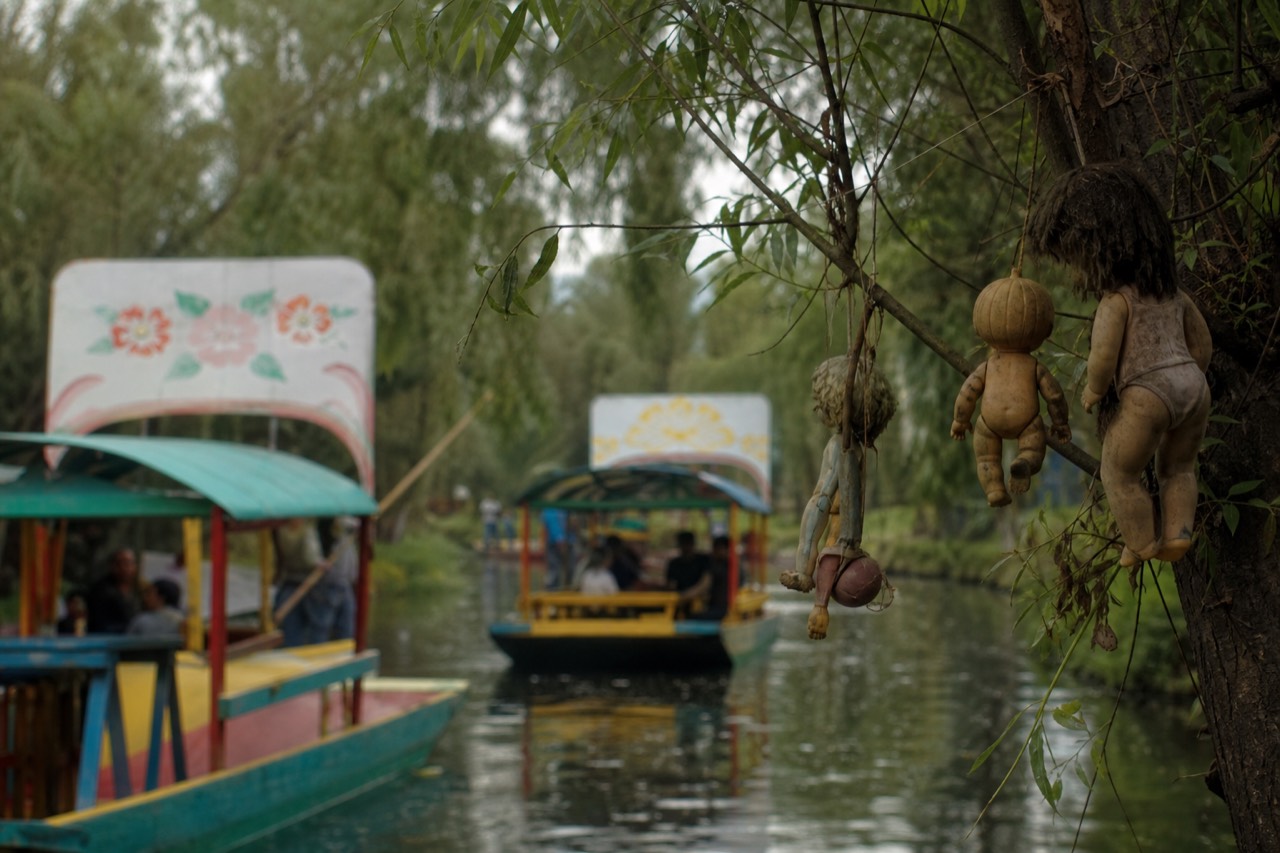
The dolls are not arranged. That is the first thing that gets you. They are wired to branches at whatever angle they landed in, sun-bleached, half-buried in vine, some with one eye, some with no head, and the wind moves them all slightly out of time with each other. Nobody designed this. A man did it alone, a few dolls a year, for most of his life.
The Island of the Dolls, Isla de las Muñecas, is a chinampa in the Xochimilco canals where a caretaker named Julián Santana Barrera hung hundreds of discarded dolls from the trees between roughly the 1950s and his death in 2001. He said he was honouring a girl who drowned nearby. It is a true story, and the island is a real place.
Who was Julián Santana Barrera?
Julián Santana Barrera was born on 26 October 1914 and moved onto a chinampa deep in the Xochimilco canals around the middle of the twentieth century, after leaving his family. He lived there largely alone, farming and collecting, until he died in 2001. The dolls were his own project, not a tourist attraction.
He was, by every account, a solitary man. The chinampa he took over sits hours from the busy docks, which was the point. He grew vegetables, traded them in the city, and gradually filled the plot with objects other people had thrown away.
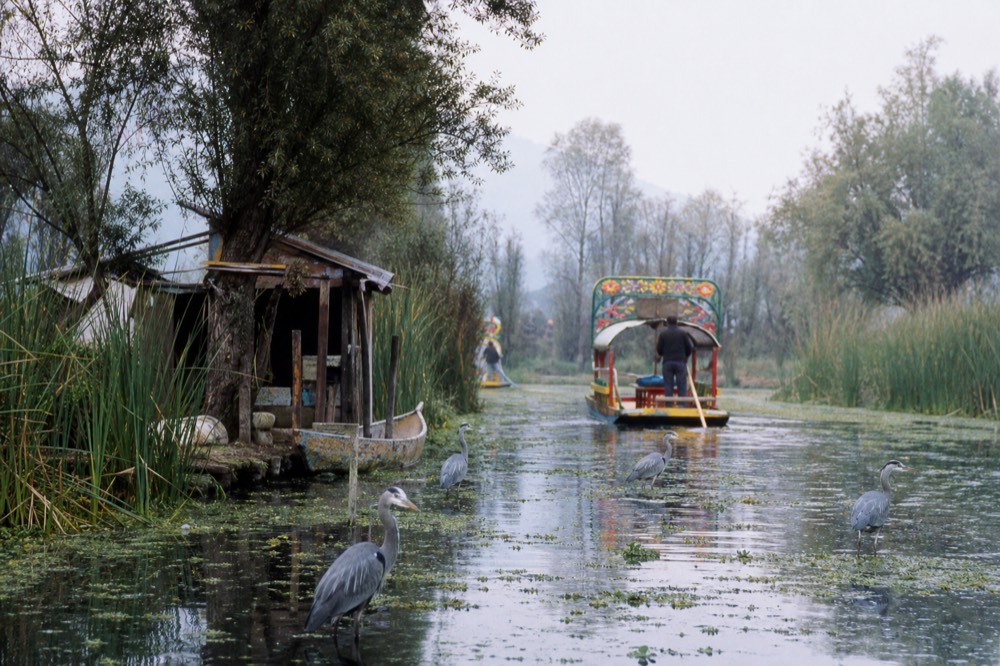
The end of his life is where accounts split. The version told most often on the canals is that he drowned in the water beside his own chinampa in 2001. Other sources record a heart attack. Wikipedia's entry on the island carries both. Either way he died at the place he had spent fifty years covering, and his family took over the plot afterwards.
Why are there dolls in Xochimilco?
Because of one story Julián told. He said a girl drowned in the canal near his chinampa and that he found her body, and shortly afterwards found a doll floating in the same water. He hung the doll in a tree in her memory. Then he kept going, believing her spirit stayed with him and needed appeasing.
Whether the drowning happened is not settled. No record of the girl has ever surfaced, and people who knew him have suggested the story grew in the telling, or that he came to believe it fully himself after years alone on the water. What is documented is the behaviour: he collected dolls from the canals, from rubbish tips, from trades in the city, and tied them up wherever there was room.
That is why the island looks the way it does. No scheme, no sequence, no theme: the accumulated output of one man's private ritual, weathered by every rainy season since he stopped adding to it. The full visiting guide to the doll island handles getting there. This piece is about the story.
Is the Island of the Dolls based on a true story?
Yes, with one distinction. The island, the man, the dates and the dolls are documented fact. The drowned girl and the haunting are the legend Julián himself told, unverified and probably unverifiable. Horror films and internet posts have blurred the two, but the underlying place is completely real.
| When | What happened |
|---|---|
| 26 October 1914 | Julián Santana Barrera born |
| Mid-century, around the 1950s | Moves onto the chinampa in the Xochimilco canals |
| 1950s to 2001 | Collects and hangs dolls, telling the story of the drowned girl |
| 2001 | Dies; accounts differ between drowning in the canal and a heart attack |
| 2022 | Guinness World Records recognises the site for the largest collection of haunted dolls |
| September 2025 | Lady Gaga's "The Dead Dance", directed by Tim Burton, released after filming on the island |
| February 2026 | Mexican press reports on replica doll islands and the family's claim over the name |
The distinction matters because of how the place is sold. A tour that says "a man hung dolls here for fifty years and this is the result" is telling you the truth. A tour that promises documented paranormal activity is selling you Julián's own story as though it were a police report. Our take on how safe and how real the canals are applies here too.
How many dolls are there now?
Sources disagree, which tells you something about how nobody has ever properly counted. English-language references say hundreds. Spanish-language sources say more than a thousand. Guinness World Records recognised the site in 2022 for the largest collection of haunted dolls, which settles the superlative if not the arithmetic.
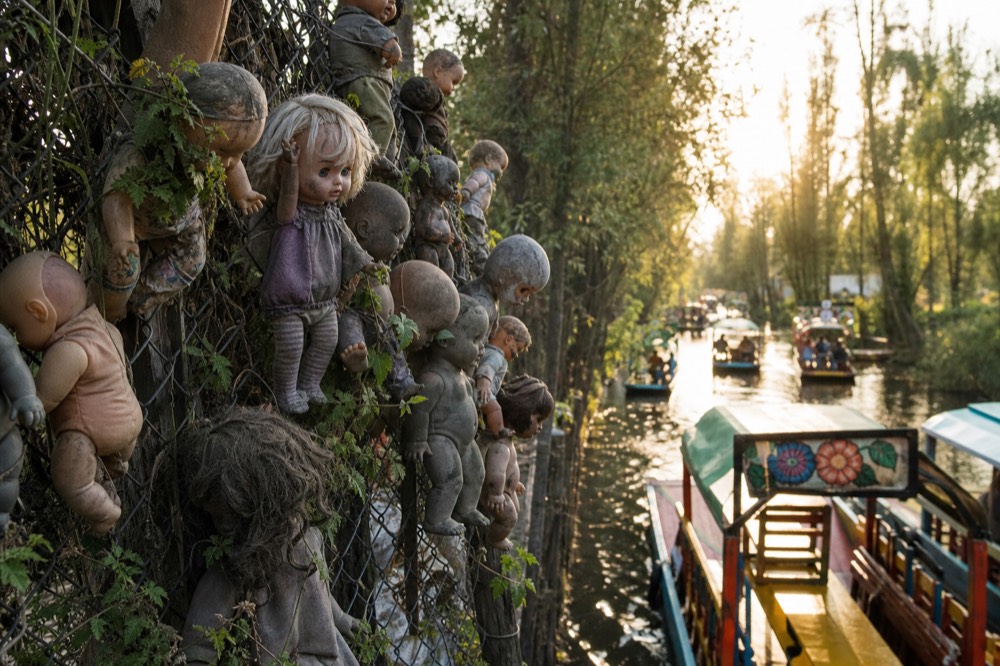
The number moves in both directions. Visitors leave dolls, which adds to the count, while weather, rot and theft subtract from it. Plastic left outdoors in a humid valley for two or three decades does not survive intact, which is why so many of the dolls look the way they do rather than being deliberately wrecked.
Which island do the short tours actually reach?
This is the part most articles skip. Julián's original island sits in the Laguna del Teshuilo, deep inside the protected canal zone: roughly 1.5 to 2 hours of boat travel each way from the main docks, around four hours round trip, typically about 3,000 pesos for the boat plus a per-person landing fee. Short two and three-hour tours out of Cuemanco visit a nearer doll island in the same tradition.
| The original island | The nearer doll islands | |
|---|---|---|
| Location | Laguna del Teshuilo, inside the protected zone | Apampilco canal, and one near Cuemanco in the ecological park |
| Boat time each way | roughly 1.5 to 2 hours | roughly 25 to 45 minutes |
| Realistic round trip | about 4 hours or more | 2 to 3 hours total including the rest of the canals |
| Typical boat cost | around 3,000 pesos per boat, charter | included in the booked tour price |
| Landing fee | reported at 100 pesos for Mexicans, 150 for foreigners, per person | varies, usually included |
| What you see | Julián's own dolls, decades weathered | dolls hung in the same tradition, on a different plot |
None of that makes the shorter tours dishonest, and the nearer islands are genuinely atmospheric. It does mean you should read a listing carefully before booking if reaching Julián's actual chinampa is the whole reason you came. Atlas Obscura's entry on the island notes that access to the original has become unreliable, with many operators delivering visitors elsewhere. Which dock you start from also shapes what is reachable, and the differences between the embarcaderos explain why Cuemanco is the usual starting point.
What did Lady Gaga's video change?
It put the island back in front of a global audience. "The Dead Dance", directed by Tim Burton, was filmed on the real Isla de las Muñecas and released in September 2025. Bookings for doll-island routes climbed afterwards, and the "curse" stories that followed were internet theatre, not fact.
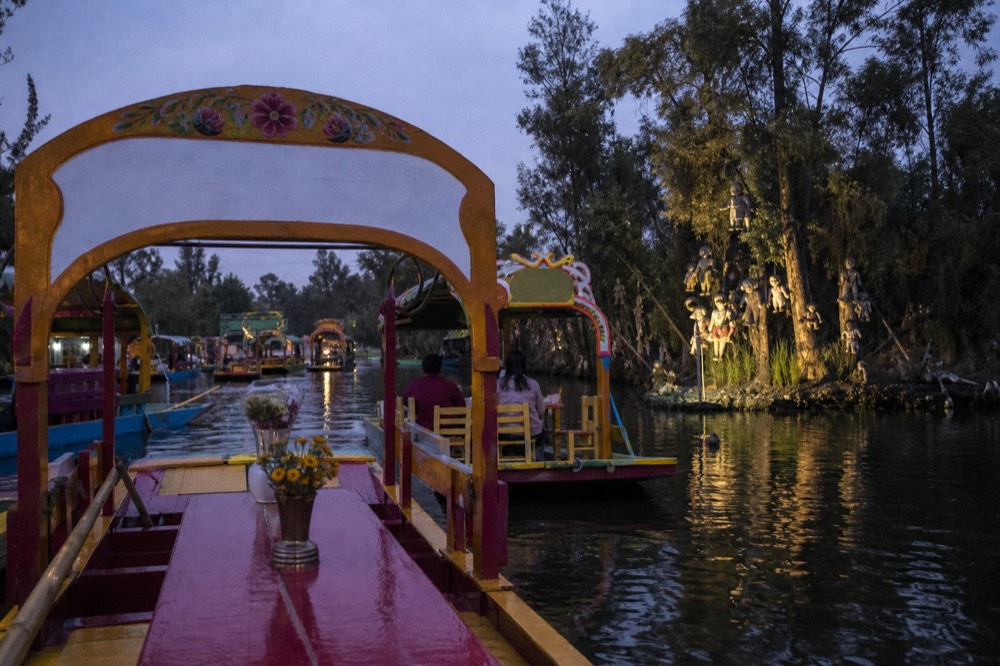
The shoot is well documented, including by N+ in Mexico, which covered the location and the history behind it. The curse chatter began when she touched dolls on camera and later cancelled a show, which had a medical explanation. That whole episode is unpacked in what actually happened when Lady Gaga visited.
Want to see the trees for yourself? The highest-rated route on our list runs about three hours with a tequila and mezcal tasting aboard, and you can check live availability and current pricing on its listing. The capped small-group version takes a maximum of 14 people over three hours from $113: see upcoming dates there. All three doll routes sit together on the doll island tours page, and our comparison of all fourteen bookable boats shows how they measure against the rest of what the canals are known for.