Xochimilco Embarcaderos: Which Dock Should You Actually Use?
The dock you choose decides what kind of day you get, more than the boat, the price or the weather. There are eleven official ones and they are not interchangeable.
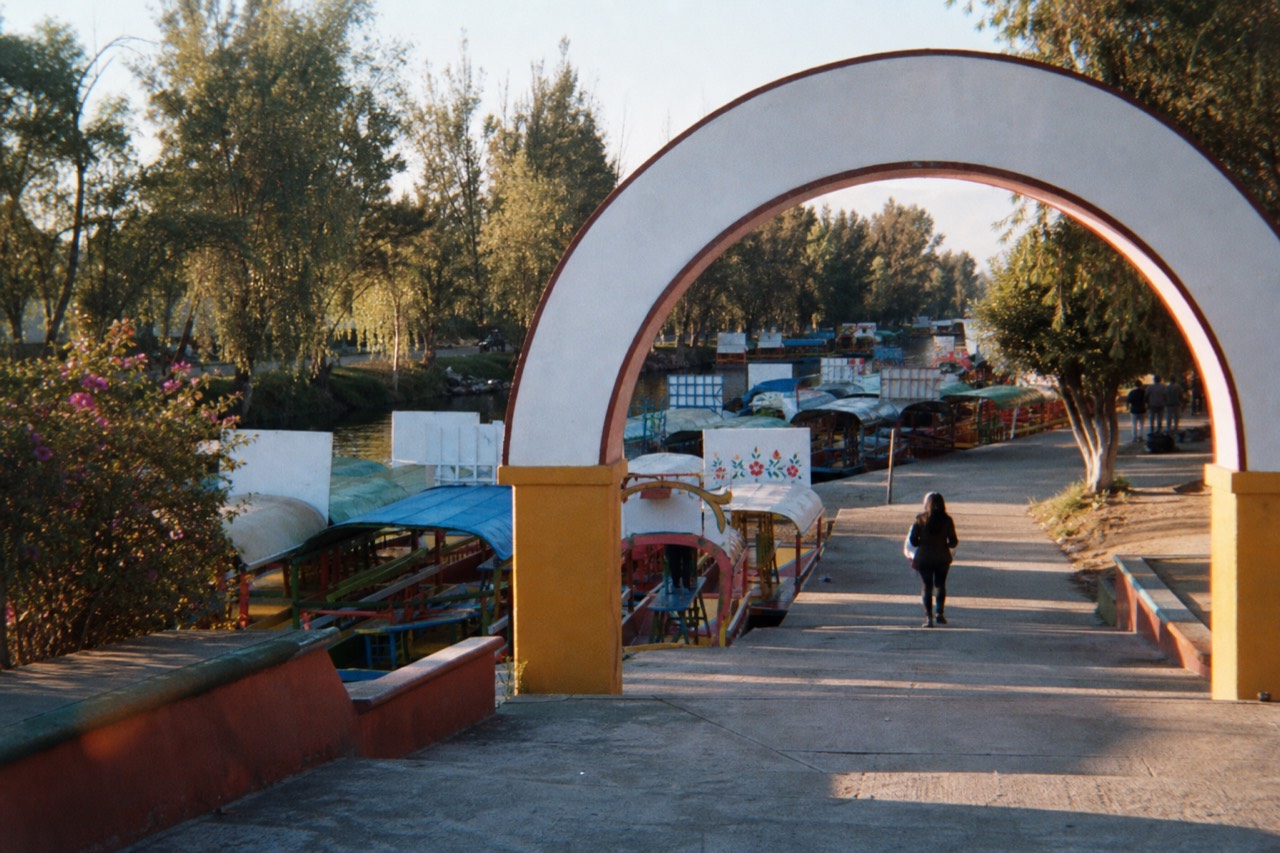
Short answer
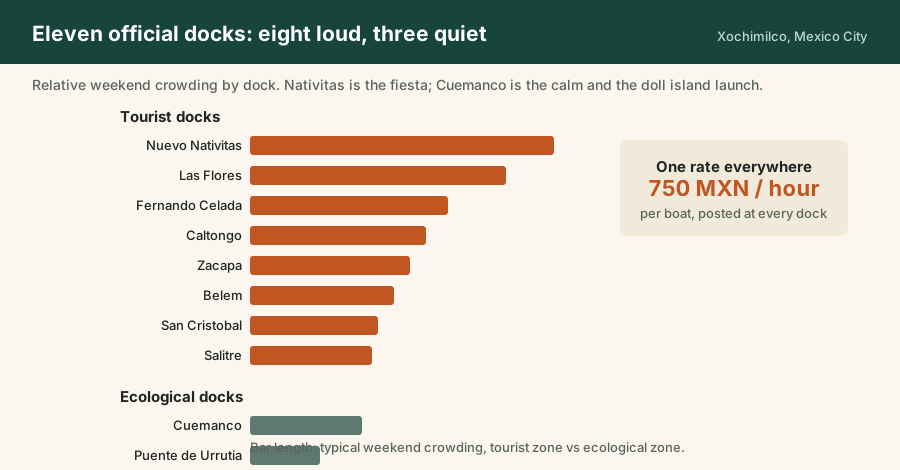
Xochimilco has 11 official embarcaderos. Eight sit in the tourist zone, led by Nativitas, the biggest and loudest, with Las Flores and Zacapa quieter. Three are ecological docks: Cuemanco, Fernando Celada and Puente de Urrutia, where the canals are calm and the boats are fewer. Service generally runs 8:00 to 18:00, year-round.
Two Saturdays, two completely different Xochimilcos. At Nativitas the ramp is a wall of noise before you even reach the water: flower sellers, a man with a microphone shouting boat prices, four bands warming up in different keys, a queue of families carrying cake boxes. Twenty minutes away at Fernando Celada you can hear ducks. Same canals, same borough, same 750-peso hourly rate, and the days do not resemble each other in any way.
Nobody tells visitors this. They read "go to Xochimilco", get dropped at whichever dock the algorithm picked, and form an opinion of the whole place based on one landing. I have been going out from most of these docks since childhood, and the choice of embarcadero is the single most consequential decision you make. So here is all eleven, honestly sorted.
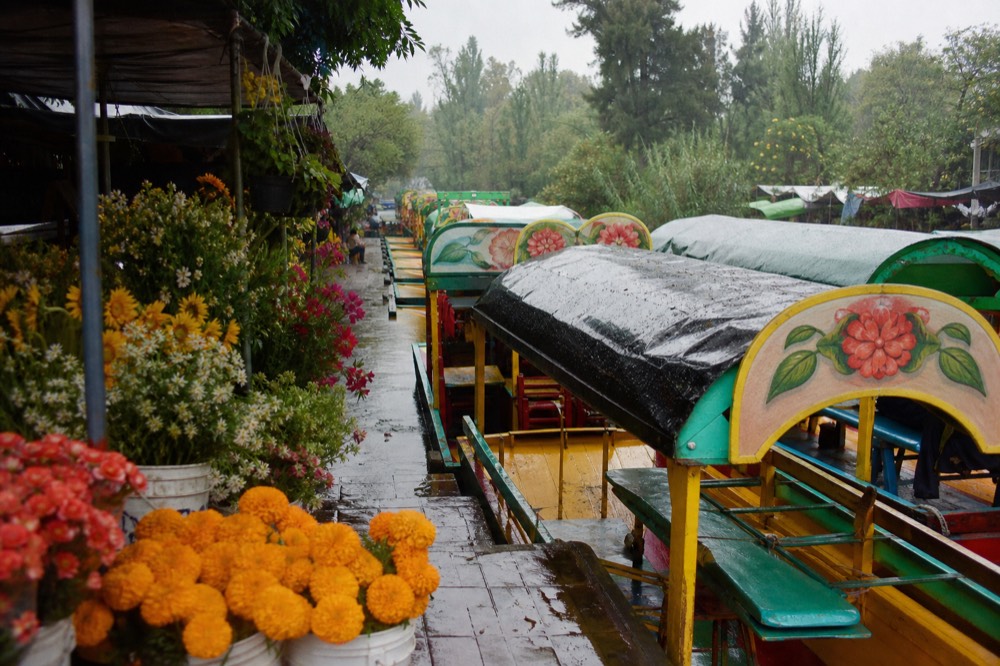
How many embarcaderos does Xochimilco have?
Eleven official embarcaderos operate in the borough. Eight sit in the tourist zone: Nativitas, Las Flores, Zacapa, Caltongo, Salitre, San Cristóbal, Belem and Belem de las Flores. Three are ecological docks with quieter water: Cuemanco, Fernando Celada and Puente de Urrutia. Around 1,204 registered trajineras spread across them.
The eight tourist docks share a canal network, so the boats mix once you are out. What differs is the launching experience, and that is most of the day for a two-hour trip. A busy dock means more vendor canoes, more music, more boats around you and more life. A quiet dock means water, birds, chinampas and the sound of the pole.
The three ecological docks sit at the northern, greener end near the Parque Ecológico. The canals there are wider in places, the traffic is thinner, and the emphasis shifts from party to landscape. El Universal's rundown of the official embarcaderos is the standard reference and matches the borough's own list.
| Embarcadero | Zone | Character | Best for |
|---|---|---|---|
| Nativitas | Tourist | Biggest, busiest, full market and mariachi scene | The classic loud Xochimilco Saturday |
| Las Flores | Tourist | Least saturated of the tourist docks | The party atmosphere at lower volume |
| Zacapa | Tourist | Quieter classic ride, fewer crowds | Families, first-timers who dislike chaos |
| Caltongo | Tourist | Mid-sized, local feel | Groups renting their own boat |
| Salitre | Tourist | Smaller, less visited | Weekday outings |
| San Cristóbal | Tourist | Smaller, near the town centre | Combining the canals with the market |
| Belem | Tourist | Small local dock | Quiet weekday rentals |
| Belem de las Flores | Tourist | Small local dock | Overflow when the big docks are full |
| Cuemanco | Ecological | Calm water, nature focus, La Llorona venue | Dolls trips, long routes, evening shows |
| Fernando Celada | Ecological | The quietest of the lot | Birds, photography, contemplative rides |
| Puente de Urrutia | Ecological | Small ecological access point | Getting away from every other boat |
Nativitas or Cuemanco: the two poles
Nativitas is the maximum version of Xochimilco: the largest dock, the fullest market, the most mariachi boats and the most boats overall. Cuemanco is the calm one, at the ecological end, with fewer boats, wider water and the departure point for the long routes toward the doll islands and the La Llorona stage.
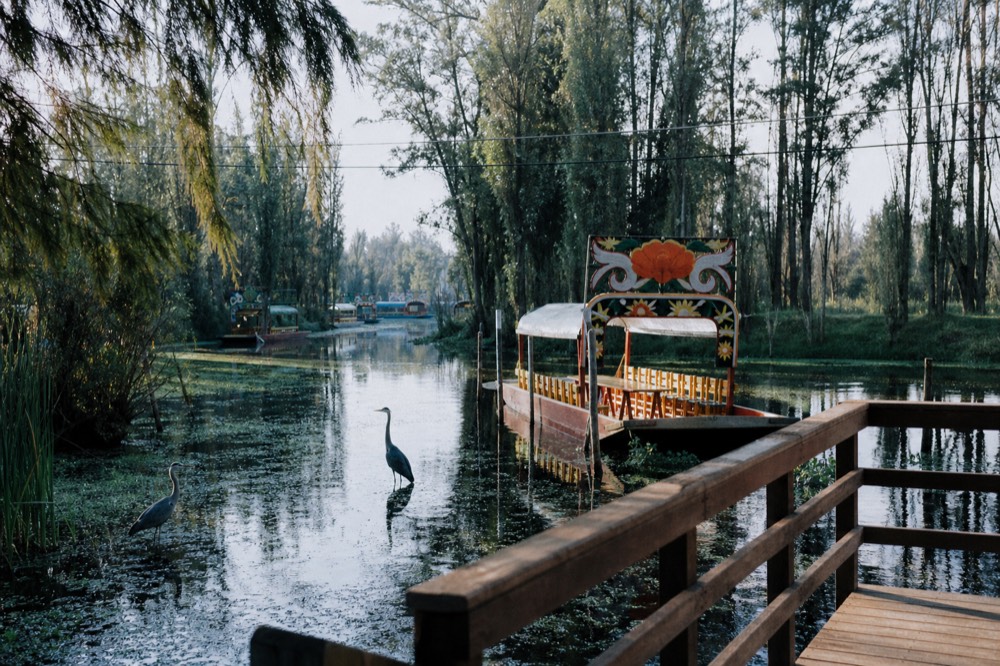
Almost every visitor ends up at one of these two, so it is worth being specific about the difference.
| Nativitas | Cuemanco | |
|---|---|---|
| Boat traffic | Heaviest in the borough | Noticeably thinner |
| Market and food stalls | Full market before you board | Limited, more of a park entrance |
| Vendor canoes on the water | Constant | Fewer, further apart |
| Music boats | Many, circulating all afternoon | Present but not saturating |
| Water character | Busy tourist channels | Wider, greener, ecological reserve nearby |
| Typical trip type | Two to three hour party or sightseeing runs | Long routes, dolls trips, nature rides, La Llorona |
| Crowd peak | Saturday and Sunday afternoons | Weekends, still calmer than Nativitas |
| Who it suits | Groups who want the full circus | Anyone who came for the landscape |
Neither is better. If you have come to Mexico City for one Saturday and want the version you have seen in photographs, with fourteen boats jammed together and a band playing at your table, go to Nativitas and do not apologise for it. If you have come for the chinampas, the birds and the water, Nativitas will feel like a mistake within ten minutes.
Cuemanco is also the venue for the La Llorona production on the Laguna de Tlilac, which has been staged for more than three decades and expanded its 2026 season to run through 22 November at 750 pesos a ticket. You watch a floating stage from a trajinera at night. The La Llorona rundown covers how the evening works, and the production's own site handles tickets.
Which embarcadero do the tours leave from?
Every listing names its own meeting point and that is the only authority, so read it before you book. As a rule of thumb, doll-island trips and long ecological routes set out from the Cuemanco end, shared party and sightseeing cruises use the tourist-zone docks, and the private and combo tours collect you rather than expecting you at a dock at all.
This matters more than it sounds, because the docks are spread across a large borough in the far south of the city, and getting to the wrong one is an hour of your day.
| Trip type | Where it generally starts | What to check on the listing |
|---|---|---|
| Shared cruise with drinks | Tourist-zone dock | Exact embarcadero and arrival time |
| Party cruise, age-gated | Tourist-zone dock | Meeting point and ID requirement |
| Island of the Dolls, 2-3 hours | Cuemanco end | Which doll island, and total time on water |
| Private trajinera with transport | Hotel pickup | Pickup zone and whether your hotel qualifies |
| Sunrise and chinampa days | Hotel pickup or dedicated dock | Pickup window, it is early |
| Coyoacán and Frida combos | City-centre meeting point | Museum entry, and never book a Monday |
The tours that include transport quietly solve the hardest part of the day. Xochimilco sits roughly 23 to 28 kilometres from Roma, Condesa or the Centro, which is 45 to 75 minutes in traffic each way. Once you price that round trip for a group, an included pickup stops looking like a luxury. The transport guide does the arithmetic properly.
If the dock scrum is the part that worries you, the capped boat is the easiest fix: sixteen people maximum, a live guide, food and drinks already aboard, and a meeting point stated plainly on its live page along with the next available dates.
How do you get to each dock?
The light rail from Metro Tasqueña runs to the Xochimilco terminal in 36 to 42 minutes for 3 pesos with an MI card, daily until around midnight. From the terminal, the tourist-zone docks are a short ride away. The ecological docks at Cuemanco and Fernando Celada are further out and effectively need a car or a ride-hail.
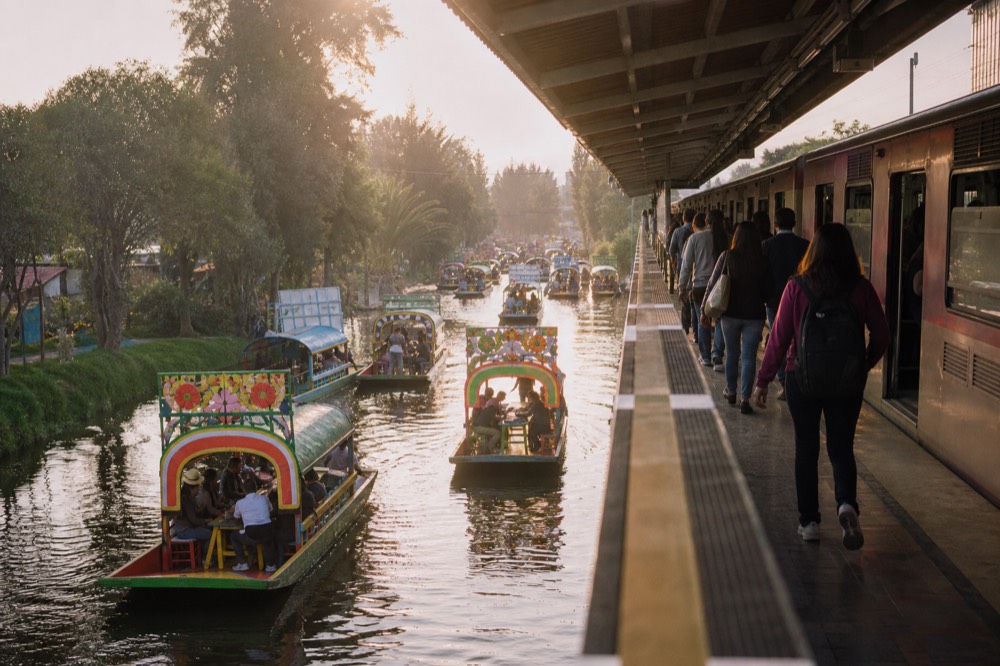
| Dock | From the light rail terminal | By car | Parking |
|---|---|---|---|
| Nativitas | Short taxi or ride-hail hop | Straightforward, signposted | Large, fills on weekends |
| Zacapa | Short ride | Easy | Available |
| Caltongo | Short ride | Easy | Available |
| Las Flores | Short ride | Easy | Available |
| San Cristóbal | Walkable from the centre for some | Central, tighter streets | Limited |
| Cuemanco | Not practical on foot, take a ride | Own access road, well signposted | Large |
| Fernando Celada | Ride only | Straightforward from the north | Available |
| Puente de Urrutia | Ride only | Small access | Limited |
The light rail is the transport bargain of Mexico City and I use it constantly. Three pesos, one line, Metro Tasqueña at the northern end to the Xochimilco terminal at the southern, running Monday to Friday from 5:00, Saturdays from 6:00, Sundays from 7:00, through to midnight. It is not fast, but it is predictable in a way that road traffic at the southern end of this city is absolutely not.
What the light rail does not do is put you at a dock. It puts you in Xochimilco town, and the embarcaderos are scattered around it. Budget a short taxi at the far end and factor that back into any comparison against a ride-hail from your hotel.
What are the embarcadero opening hours?
Standard service runs 8:00 to 18:00 at the embarcaderos, every day of the year. Some docks keep boats moving later on busy weekends. Night rides are a separate thing: lunadas must be arranged in advance with the dock or an operator, they are not available on a walk-up basis after dark.
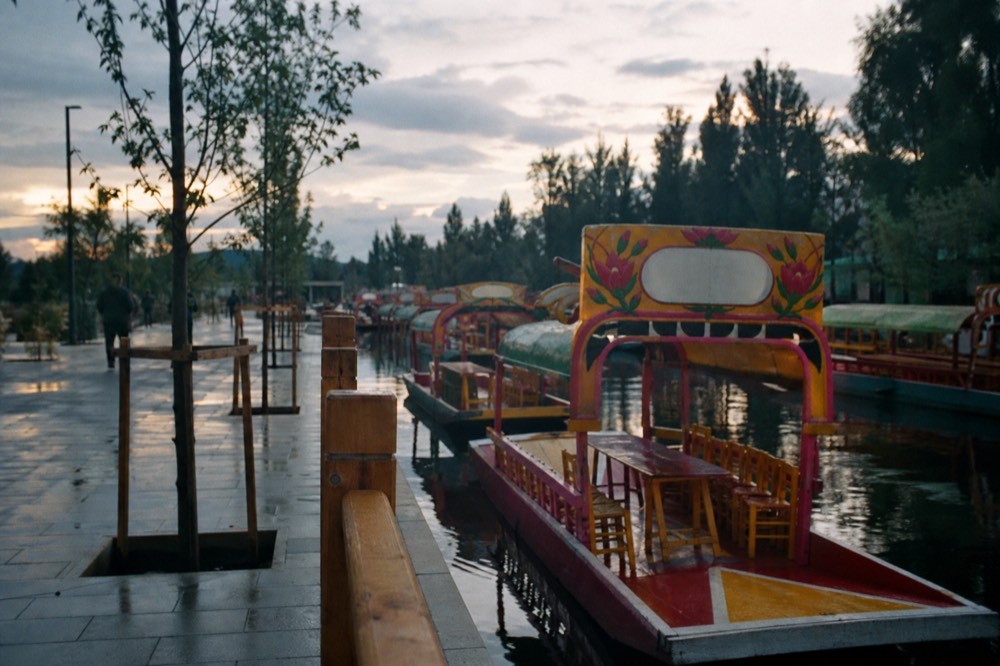
The docks do not close for seasons. Xochimilco runs 365 days a year, through the rainy months and the cold January mornings, and the boats go out on Christmas Day. What changes across the year is crowding, not availability.
| Practicality | The reality at the docks |
|---|---|
| Service window | Generally 8:00 to 18:00, later at some docks on busy weekends |
| Days open | Every day of the year |
| Booking a boat ahead | Not needed for a self-rental, just turn up |
| Night rides | By prior arrangement only, never walk-up |
| Payment | Cash in pesos for the boat and every vendor |
| Toilets | At the docks, small coin charge, none on the boats |
| Best arrival time | Before 11:00 for calm, after 14:00 for atmosphere |
| Wet season | Boats run in rain, the canopy covers you, bring a layer |
If you want the water at its quietest, the first hours after opening are a different world: mist still on the surface, farm boats moving produce, almost no music. If you want it at its most alive, arrive after two in the afternoon on a Saturday. The morning or afternoon question goes hour by hour, and the planning guide covers which days of the week and months of the year are worth targeting.
What did the renovation actually change?
a 174 million peso programme rebuilt embarcadero infrastructure ahead of the 2026 World Cup, with Nuevo Nativitas, Las Flores and Zacapa among the docks reworked. The work covered landings, walkways and the visitor areas around them, not the boats themselves, which are privately owned by the families who run them.
The Cup came and went in June and July, and what it left behind at the docks is real: resurfaced landings, tidier approaches, better signage and cleaner facilities at the docks that got the attention. If you visited Xochimilco five years ago and remember the arrival as rough, the entrance experience at the upgraded docks is meaningfully better now.
What did not change is the water, the boats or the price. The trajineras are family assets, hand-painted and individually owned, and the tariff is still 750 pesos an hour. Renovation money went into the concrete, not the fleet. The Mexican press covered the upgrade programme and the official rates together earlier this year.
Worth remembering what the concrete is protecting. These canals are the last working fragment of the lake system the Aztec capital stood in, and they carry a UNESCO listing from 1987 as part of the Historic Centre of Mexico City and Xochimilco. The docks are the front door of a World Heritage property that is also somebody's farm.
Which dock should you pick?
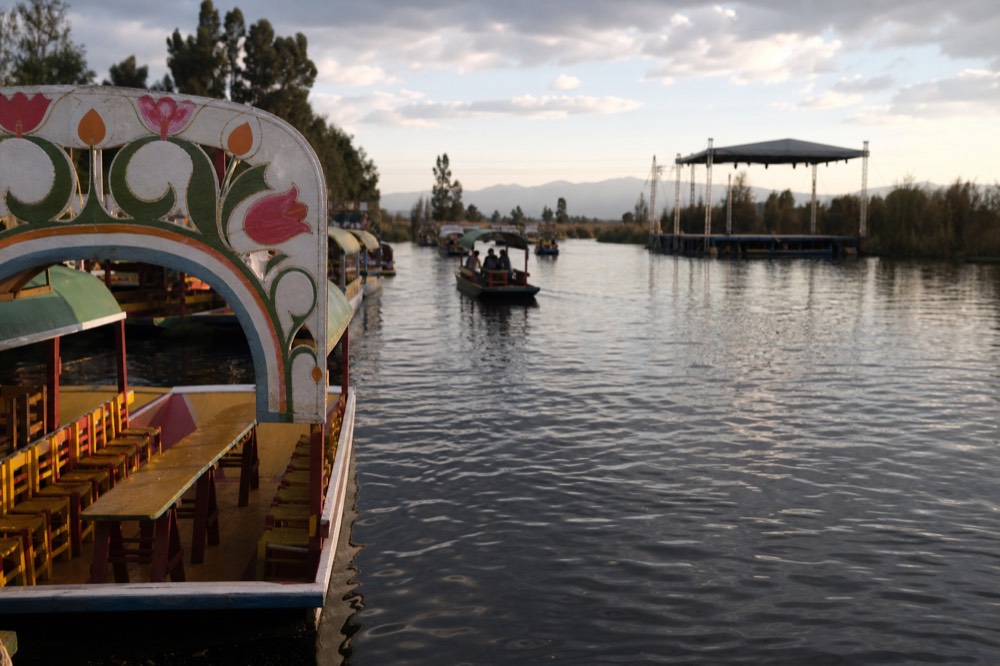
Match the dock to the day you want. Loud and classic: Nativitas. Party atmosphere without the crush: Las Flores. Calm family ride: Zacapa. Dolls and long routes: Cuemanco. Birds and silence: Fernando Celada. Your own boat with a big group: Caltongo.
| What you want from the day | Go to | Why |
|---|---|---|
| The full Xochimilco Saturday | Nativitas | Biggest market, most boats, most music, most everything |
| The party, dialled down | Las Flores | Least saturated tourist dock, same canals |
| A calm ride with kids | Zacapa | Quieter classic route, fewer aggressive vendors |
| To rent your own boat with 12 friends | Caltongo | Local feel, easier negotiation, less tourist pricing pressure |
| The Island of the Dolls | Cuemanco | Departure end for the doll routes, short and long |
| Birds, plants, photography | Fernando Celada | The quietest water in the borough |
| An evening show on the canals | Cuemanco | La Llorona's floating stage sits on the Laguna de Tlilac |
| To avoid other tourists entirely | Puente de Urrutia | Small ecological access, minimal traffic |
If you have booked a tour, this table is informational rather than a decision, because the listing sets your meeting point. If you are renting a boat yourself, it is the decision. Either way, the trajinera hire walkthrough covers the negotiation once you are standing on the ramp, and the full price breakdown covers what to expect to pay at each stage.
The Island of the Dolls, and which dock actually gets you there
Doll trips run from the Cuemanco end. The two-to-three-hour bookable tours reach a nearer doll island in the same tradition, not Julián Santana's original. The original sits hours deep in the network and needs a private charter, commonly around 3,000 pesos per boat round trip plus an entry fee at the island.
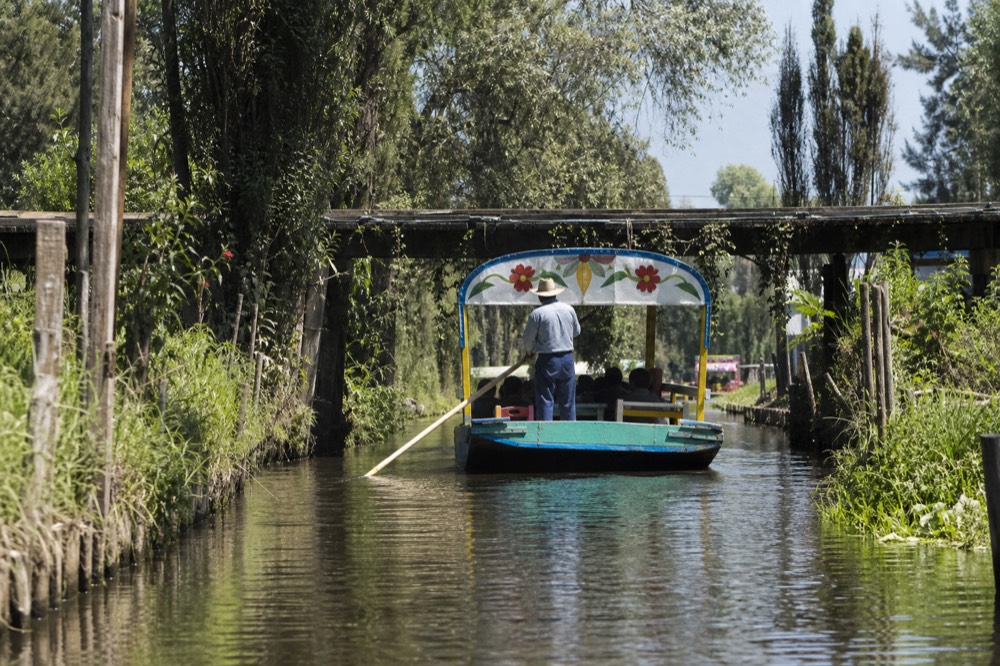
I want to be very clear about this because the disappointment is avoidable. Santana's island is real, it is remote, and reaching it from Cuemanco is a long day on the water in each direction. The islands the short tours visit are also real, also hung with dolls, also genuinely unsettling, and much closer. Both are worth doing. They are just not the same trip, and the difference is hours and money.
If the short version is what you want, the dolls tour lineup compares the three bookable options, and the tequila-and-mezcal run is the best-reviewed of them. The full dolls guide maps the near islands against the original, or check availability on your dates for the highest-rated of the three.
If you want the original, plan a whole day, charter privately from Cuemanco, take food and water, and go early. It is one of the strangest places in Mexico and it earns the effort.
Mistakes people make at the docks
Five recurring ones: arriving at the wrong embarcadero for a booked tour, showing up without cash, expecting a bathroom on the boat, agreeing music before the price, and trying to organise a night ride on the spot.
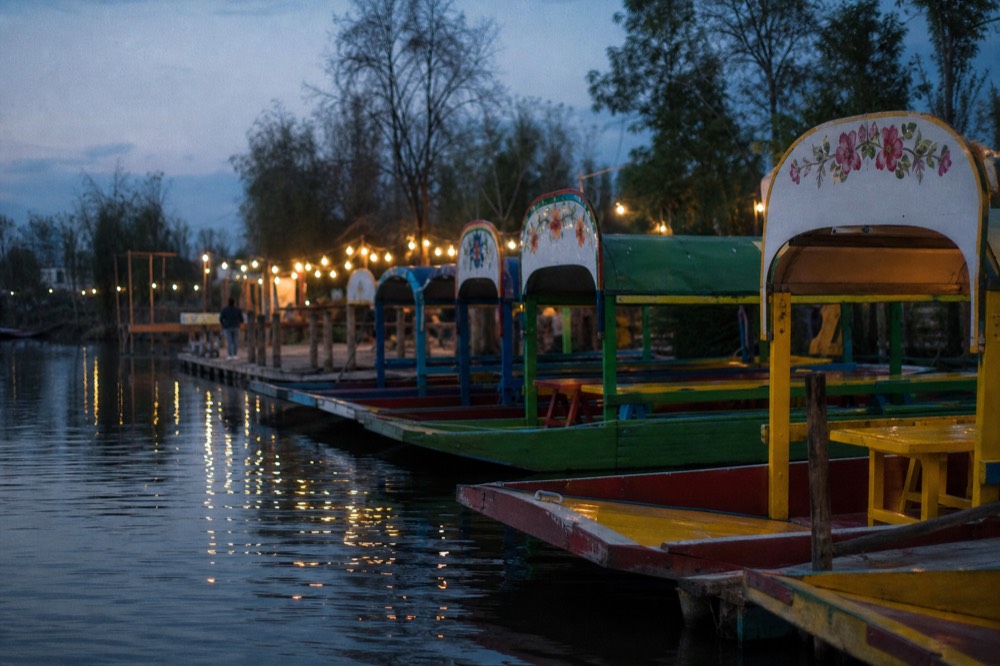
The wrong-dock error is the expensive one. There is no quick way to move between embarcaderos, the borough is large, and traffic in the far south of the city on a Saturday afternoon is its own weather system. Screenshot your meeting point, put it into your ride-hail before you leave, and confirm the name matches the listing exactly. Nativitas and Nuevo Nativitas, Belem and Belem de las Flores: those pairs cause real confusion.
The cash error is the frequent one. Ticket windows at some docks take cards; no vendor canoe on the water does, and there is no ATM once you push off. Bring small notes.
The night error is the one people find hardest to accept. Lunadas are wonderful and I have been on many, but they are booked in advance with the dock or an operator. And since 2026, unauthorised night parties with alcohol and lights on trajineras have been restricted, with tighter alcohol rules on the canals introduced after a young man's death. Licensed daytime cruises carry on exactly as before. The party guide tells the whole story without spin.
Which embarcadero is best in Xochimilco?
It depends on the day you want. Nativitas is the biggest and loudest and delivers the classic experience. Zacapa and Las Flores are calmer versions of the same canals. Cuemanco is the ecological end, the departure point for doll-island routes, and the La Llorona venue. Fernando Celada is the quietest water in the borough.
What time do the embarcaderos open and close?
Service generally runs 8:00 to 18:00, every day of the year, with some docks keeping boats moving later on busy weekends. Night rides are not walk-up: a lunada has to be arranged in advance with the embarcadero or an operator, and unauthorised night parties on the canals have been restricted since 2026.
Can I walk to an embarcadero from the light rail terminal?
Realistically, no, other than the docks closest to the town centre. The light rail from Metro Tasqueña takes 36 to 42 minutes for 3 pesos and drops you in Xochimilco town, not at the water. Take a short taxi or ride-hail from there. Cuemanco and the ecological docks need a ride regardless.
Is the price the same at every embarcadero?
Yes. The borough sets a single official rate of 750 pesos per hour for the whole boat at every official dock, not per person. Vendor prices on the water, music and food vary by negotiation rather than by dock, though a quiet dock on a weekday is generally an easier place to negotiate anything.
Which dock goes to the Island of the Dolls?
Cuemanco is the practical departure end for doll routes. The bookable two-to-three-hour tours reach a nearer doll island in the same tradition. Julián Santana's original island is hours deeper into the network and needs a private charter, commonly around 3,000 pesos per boat round trip plus an entry fee on arrival.
Do I need to book a dock or a boat in advance?
Not for a self-rental. Turn up between 8:00 and 18:00, pick a dock, agree your hours and go. Advance booking matters for organised tours with capped group sizes, for hotel pickups, for La Llorona tickets, and for any night ride, which must be arranged beforehand rather than decided at the dock.
Once you have picked a dock, the next question is which boat. Every bookable boat compared sits on one page with live prices, group caps and what each one includes, and the shared cruise lineup is where most first-timers should start.